

Autonomous Sweepers.
Robotic Sweeping Solutions.
Autonomous floor sweepers help facilities maintain cleaner floors, improve consistency, and make better use of available labor.
Industrial floors don’t stop getting dirty just because your team has more important things to do.
Using intelligent navigation and obstacle-detection technology, robotic sweepers complete repetitive cleaning routes while your employees focus on detailed cleaning, inspections, and higher-priority, revenue generating work.
What Is Autonomous Floor Sweeping?
Autonomous sweeping uses robotic floor cleaning technology to clean large commercial and industrial spaces with minimal operator involvement.
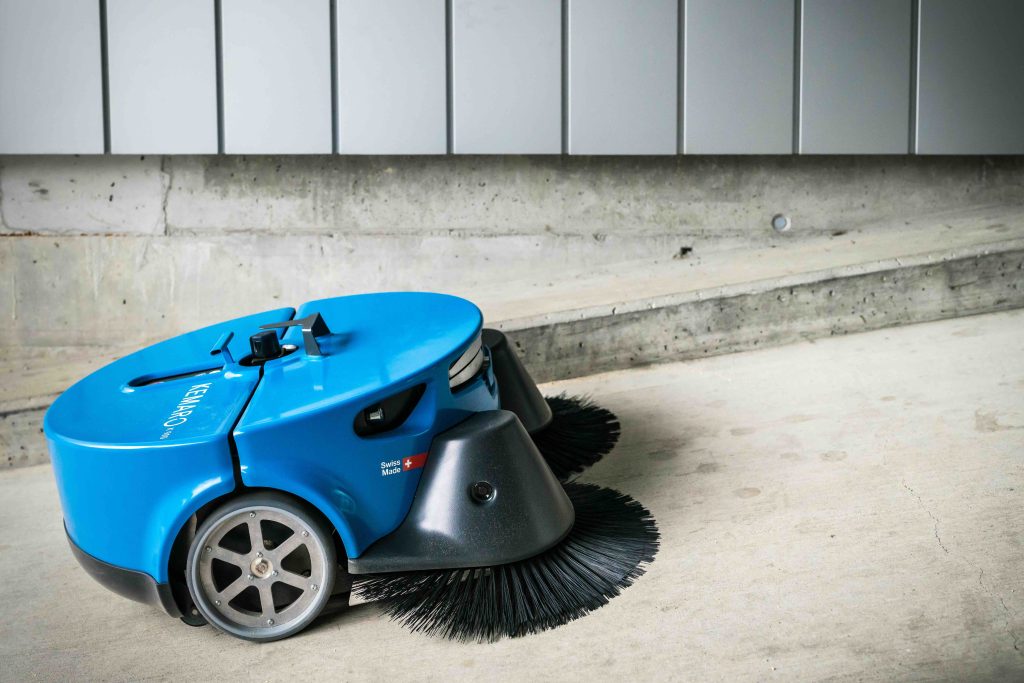
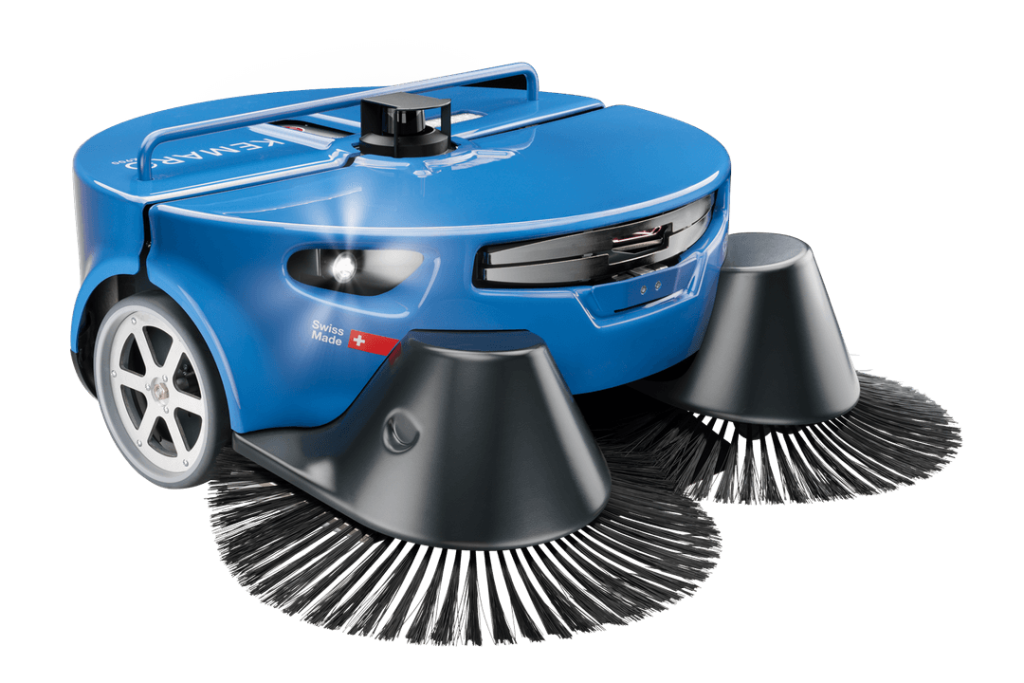
Unlike traditional sweepers that require an employee to drive the machine throughout the cleaning process, an autonomous mobile robot (AMR) can navigate a facility, follow programmed cleaning routes and complete repetitive sweeping tasks on its own.
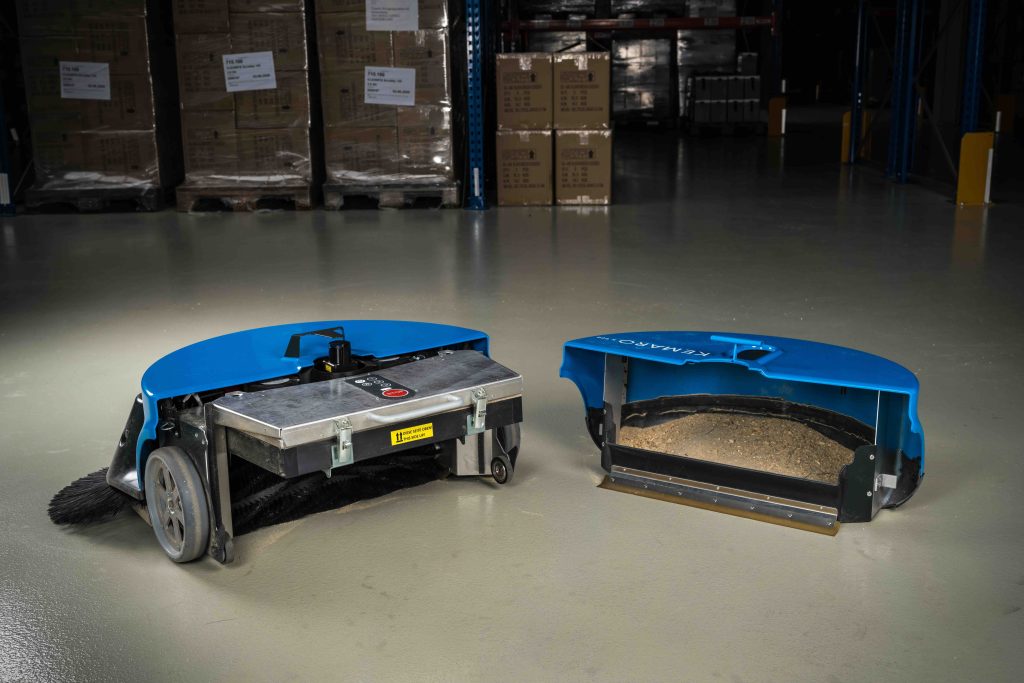
Using a combination of onboard sensors, mapping technology and intelligent navigation, autonomous sweepers can recognize their surroundings, maneuver through designated cleaning areas and adjust their path as conditions change.
The result is a more consistent approach to routine floor cleaning, without requiring an employee behind the wheel for every cleaning cycle.
Robotic Sweeper Brands We Carry.
We carry and support autonomous cleaning equipment built for demanding commercial and industrial environments. Available options may include new equipment, used machines, and rental solutions, depending on the brand and application.
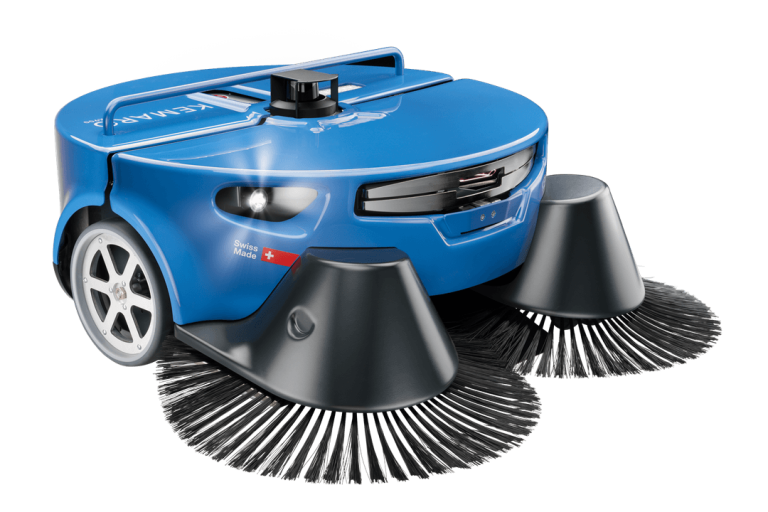
Our team can help you compare equipment based on your facility layout, cleaning routes, floor conditions, and operational goals. We also provide training, parts, service, and ongoing support after the sale.
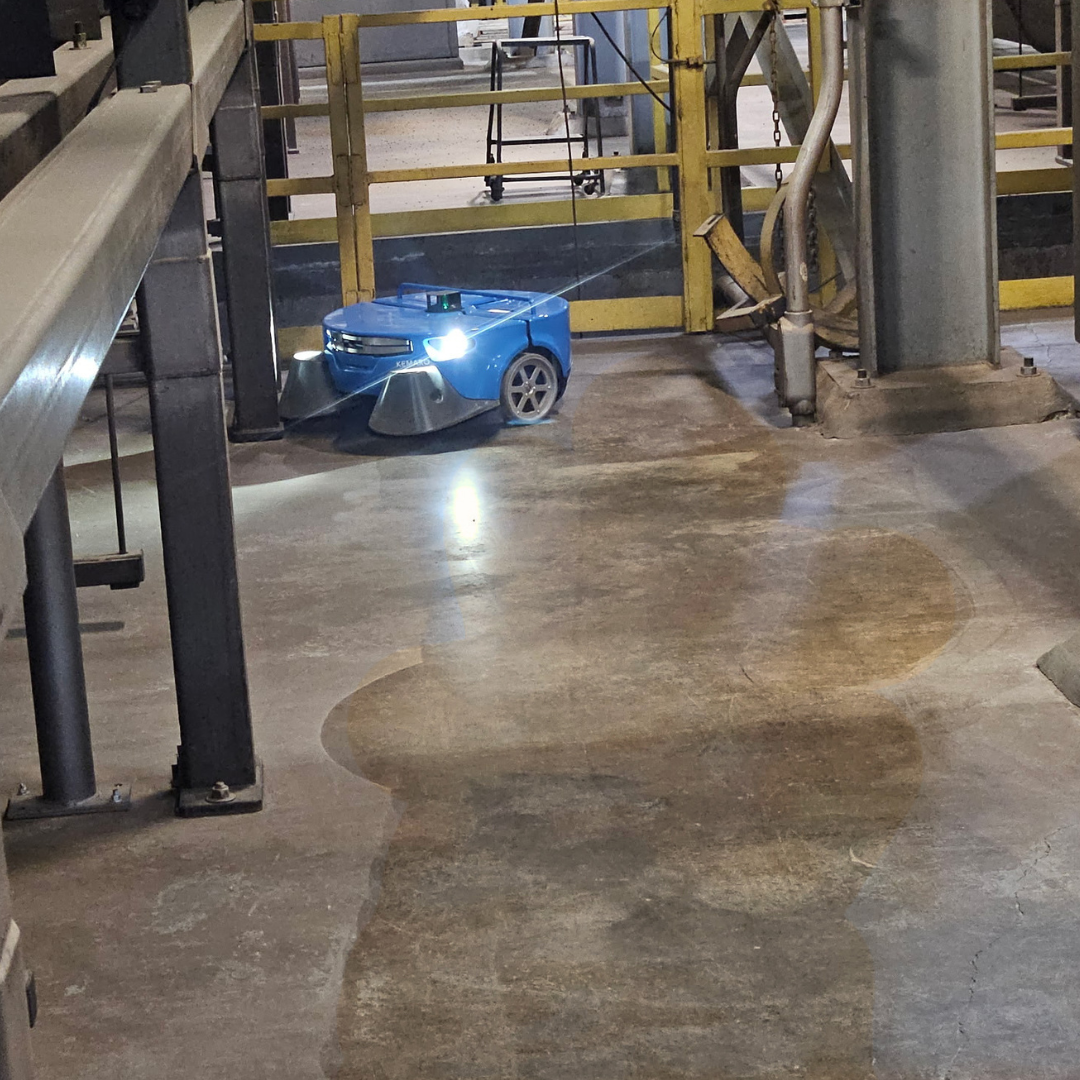
Autonomous Sweepers
What Types of Facilities Benefit From Autonomous Floor Sweepers?
Robotic floor sweepers are best suited for facilities with large floor areas, repeatable cleaning routes, and a need for consistent cleaning coverage.
They are especially useful when employees spend significant time completing the same routine sweeping tasks each day.
Autonomous sweepers can be a strong fit for:
- Manufacturing and industrial plants
- Logistics and fulfillment facilities
- Warehouses and distribution centers
- Airports and transportation hubs
Autonomous Sweepers
Where Robotic Sweepers Really Shine.
Built to navigate the spaces traditional cleaning methods struggle to reach.
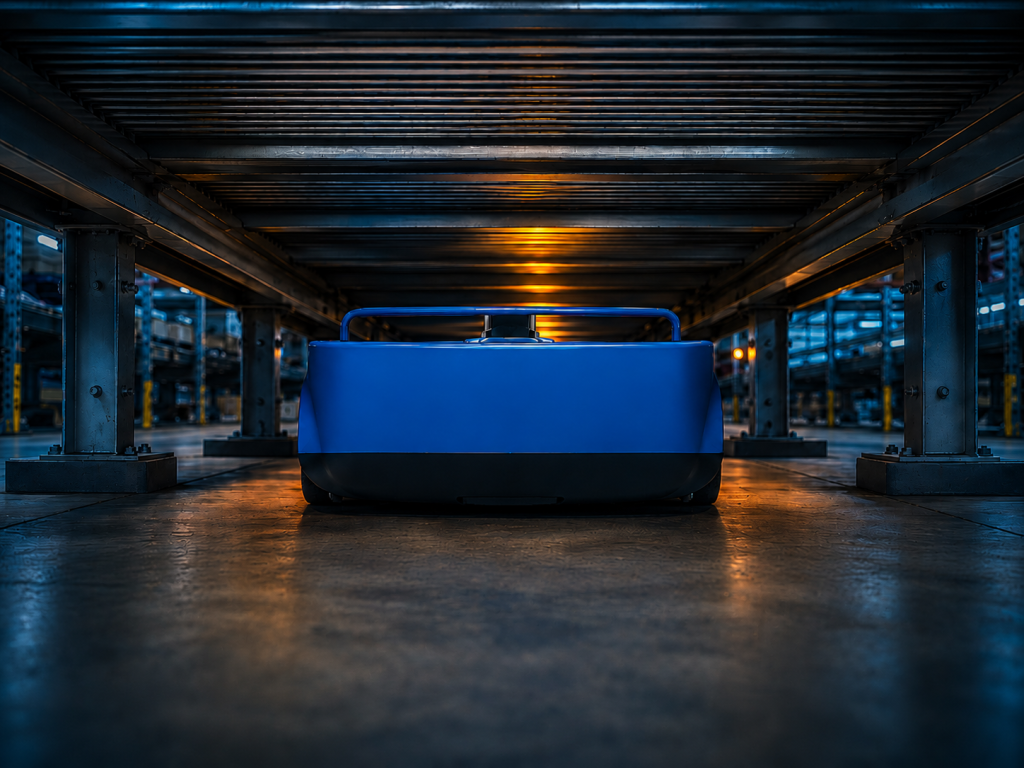
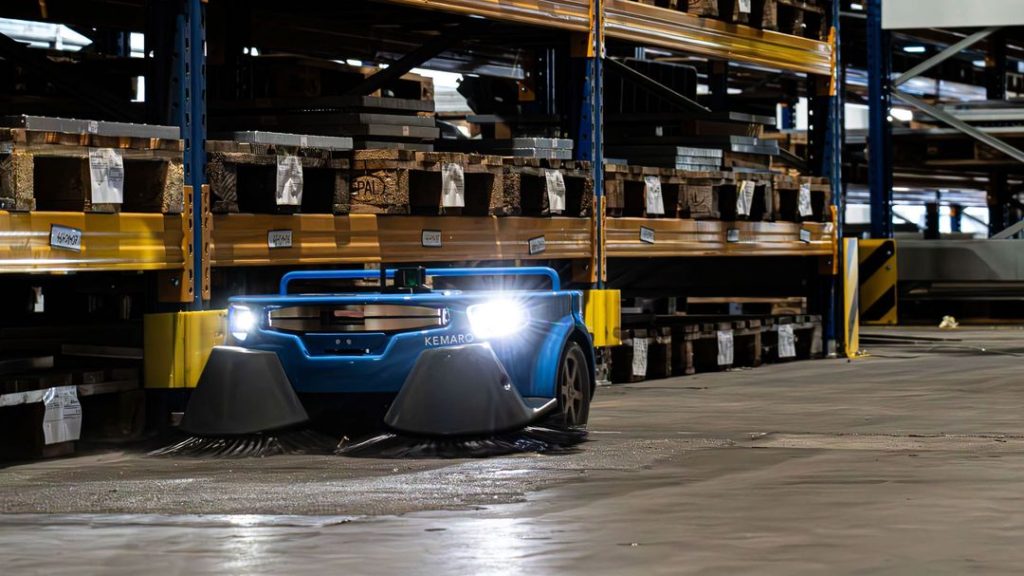
- Under Racking System: Low-clearance and hard-to-access areas can easily become neglected during manual cleaning. Compact autonomous sweeping solutions can help keep dust and debris from accumulating beneath warehouse racking and storage systems.
- Around Conveyor Systems: Material handling environments generate debris constantly. Autonomous sweeping allows facilities to clean around and underneath conveyor systems without dedicating an employee to repetitive sweeping routes.
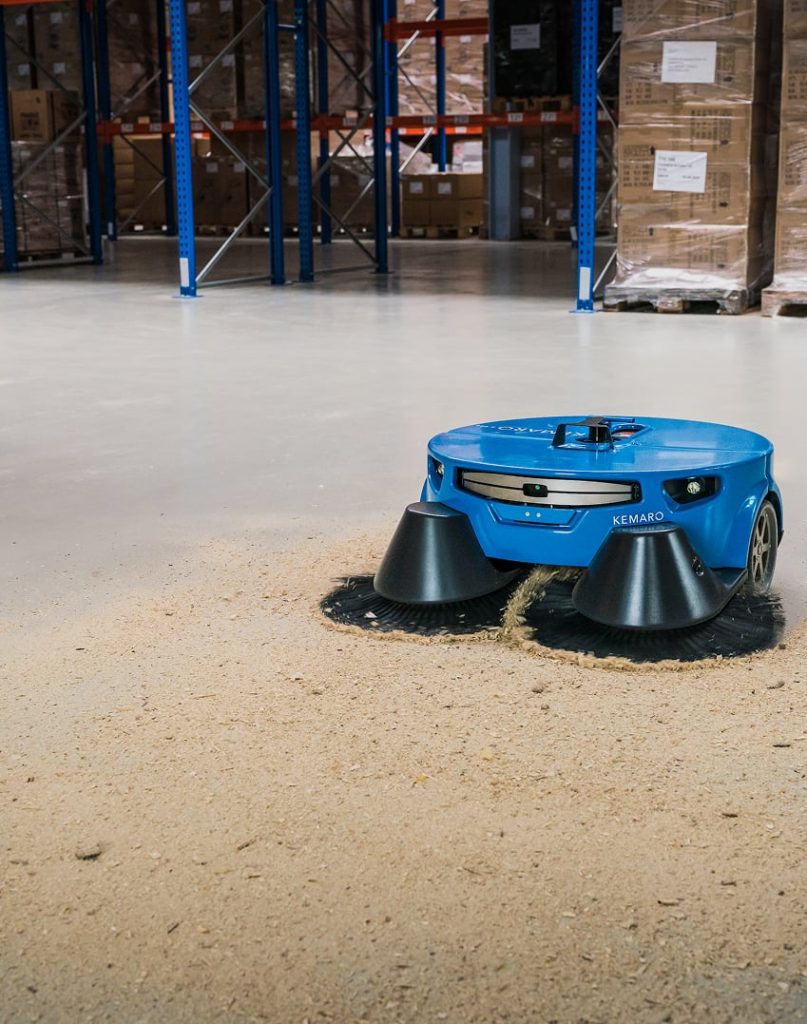
- Across Large Open Floors: Warehouses, distribution centers and manufacturing plants often contain thousands of square feet of repetitive cleaning area. These predictable spaces are ideal for autonomous operation.
- In Areas That Need Frequent Attention: Some parts of a facility simply get dirty faster than others. Autonomous equipment can repeatedly address high-traffic or high-debris areas as part of a consistent cleaning program.
Why Should My Team Choose Robotic Sweeping?
Autonomous sweeping isn’t about replacing your entire floor-cleaning program. It’s about taking repetitive, everyday sweeping off your team’s plate.
While heavy-duty industrial sweepers and scrubbers remain essential for deep cleaning, larger debris and demanding applications, autonomous sweepers can work alongside your existing equipment to handle routine dust and debris throughout the day.
Think of it as another layer in your cleaning program: autonomous equipment maintains the floor between heavy-duty cleaning cycles, while your larger machines tackle the jobs that require more cleaning power.
How Autonomous Sweeping Fits Into Your Operation.
Autonomous sweeping becomes another tool in your existing floor-care program; handling repetitive sweeping while your team and heavy-duty equipment take care of the more demanding work.
Map Your Cleaning Areas
Map and designated cleaning zones and routes are around your operation.

Schedule Routine Sweeping
Set recurring cleaning routes based on your facility’s workflow, traffic patterns and cleaning needs.

Monitor & Adjust
Track machine activity, review cleaning progress and make updates as your facility or cleaning priorities change.
Is Autonomous Sweeping Right for Your Facility?
If your operation has large floor areas, repetitive cleaning routes, labor constraints or spaces that aren’t being swept as frequently as they should be, autonomous sweeping may be a strong fit.
Our team can evaluate your facility, discuss your current cleaning process and help determine where automation could make the biggest impact.



FREQUENTLY ASKED QUESTIONS ABOUT ROBOTIC SWEEPERS
How does an autonomous floor sweeper work?
Autonomous sweepers use onboard sensors, mapping technology and intelligent navigation to follow designated cleaning routes while detecting and navigating around obstacles.
Can autonomous sweepers work around employees and equipment?
They are designed to operate in active facilities using sensors and obstacle-detection technology. The exact application should still be evaluated based on traffic, layout and operating conditions.
Do autonomous sweepers replace traditional sweepers and scrubbers?
Not necessarily. Autonomous equipment is often most effective when used alongside traditional floor-cleaning equipment. Robotic sweepers can handle repetitive maintenance sweeping while larger machines address heavier debris, deep cleaning and more demanding applications.
Where can robotic sweepers be used?
Common applications include warehouses, manufacturing facilities, distribution centers, logistics operations, transportation facilities and other large commercial or industrial environments.
Can an autonomous sweeper clean underneath racking and conveyors?
Certain low-profile robotic sweepers can access areas that larger ride-on or walk-behind equipment may struggle to reach. Equipment selection depends on available clearance and the specific facility layout.
Can autonomous sweeping be monitored remotely?
Depending on the equipment, operators may be able to review machine status, cleaning activity and other operating information through connected software or mobile apps.
